Landlords & letting agents
Independent photographic records of visible concerns and follow-up inspections across rental properties.
Independent property condition reporting
Visible damp and mould should be recorded clearly, consistently and without delay. Our independent photographic reports document observable conditions to help property professionals maintain an organised record of concerns and follow-up action.
Visual condition examples
Examples of visible property conditions that can be documented during an inspection.
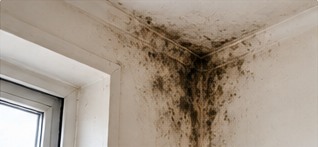
Mould growth and discolouration around an interior corner.
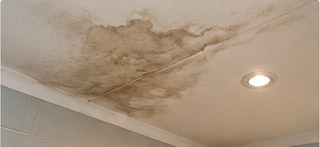
Water staining and damaged ceiling finishes.
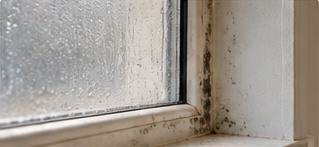
Visible deterioration around a window reveal.
Damp & mould reporting enquiries
Scope & limitations
Our service is a visual, non-invasive condition inspection. We do not diagnose the root cause of damp, undertake invasive investigations, certify mould remediation, determine legal liability or provide a specialist health, structural or building pathology assessment.
Where there are signs of a serious or ongoing problem, clients should arrange prompt investigation and appropriate remedial action by qualified professionals. Inspection records must not delay urgent action.
Who we support
Independent photographic records of visible concerns and follow-up inspections across rental properties.
Consistent condition reporting for managed properties, communal areas and agreed inspection programmes.
Factual condition records within a clearly defined scope; specialist expert-witness or causation opinions are not included.
Awaab’s Law
Awaab’s Law introduced statutory requirements for social landlords in England to investigate and address specified hazards, including significant damp and mould hazards, within prescribed timescales. Requirements and implementation differ across housing sectors, so landlords should check the latest official guidance applicable to their properties.
Independent photographic records can support a clear inspection history, but they do not replace a landlord’s legal duties, a formal hazard assessment or necessary remedial action.
Why records matter
From a small patch of mould around a window to more widespread water staining, accurate descriptions and photographs help establish what was visible at the time of an inspection.
We record accessible areas showing visible mould, staining, condensation-related signs, damaged decorative finishes and other observable concerns, within the agreed inspection scope.
Clear photographs and location-specific notes provide a dated record of the conditions observed. Where available, relevant information supplied by the client can be referenced separately from our own observations.
Subsequent visits can record visible changes and help clients maintain a chronology of concerns and works. A follow-up record is not a certification that the underlying cause has been resolved.
Reports are prepared to support property management records, communication with relevant parties and referral to appropriately qualified specialists when needed.